
Pelvic Pain
Pelvic pain can have a significant impact on how we function day-to-day. It can affect anyone, but is more common in women than in men. Pelvic pain is a broad term and can encompass pain stemming from:
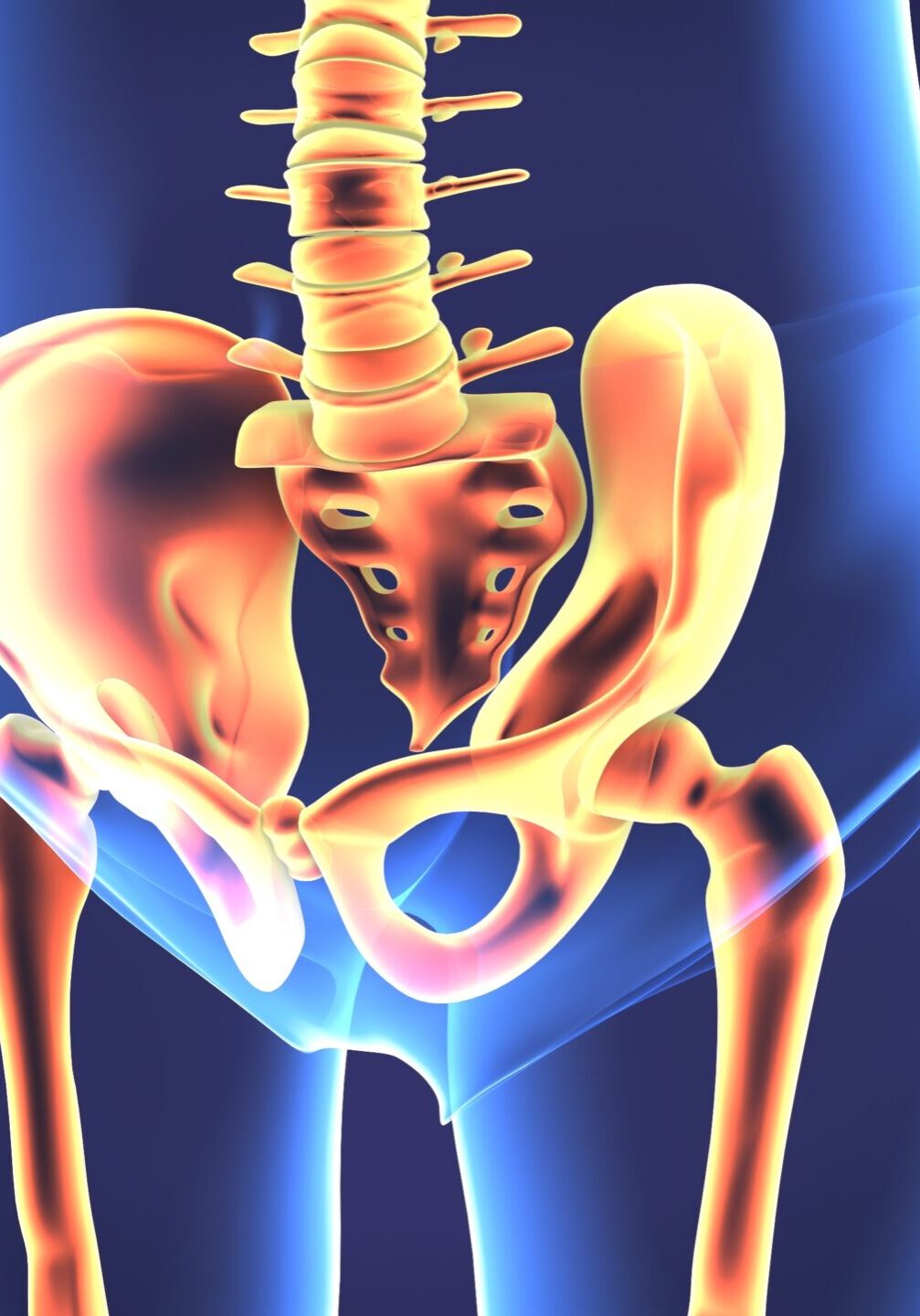
Joint restrictions between the bones that make up the pelvis. The pelvis is made up of 3 main bones - two innominates on either side and your tailbone (the sacrum) in the middle.
Tight or weak muscles in and around the pelvis. This can include the pelvic floor muscles, abdominals, glutes, hamstrings.
Ligament tension beyond normal capacity. The joints of the pelvis are stabilised by many strong ligaments. Dysfunction in these ligaments can lead to pain both directly or indirectly by placing more pressure on other areas of the pelvis.
Restriction or irritation of organs sitting within the abdomen and pelvis such as the bladder, rectum, colon and reproductive organs.
Nerve irritation from poor mechanics of the pelvis, lower back or hips.
Poor fluid drainage from the legs and pelvis up into the upper body for processing.
Causes & Considerations
Pelvic pain can have various causes, so it is important to thoroughly assess the area to determine which tissues may be contributing to pain in the pelvic region. Causes for pelvic pain include:
Menstrual cramps
Conditions of the female reproductive system such as endometriosis or polycystic ovarian syndrome (PCOS)
Urinary tract infections (UTI’s)
Pelvic inflammatory disease
Digestive issues or conditions, including irritable bowel syndrome or disease (IBS/IBD)
Bloating, gas or constipation
Imbalance or weakness in the pelvic floor muscles or ligaments
Sacroiliac joint dysfunction
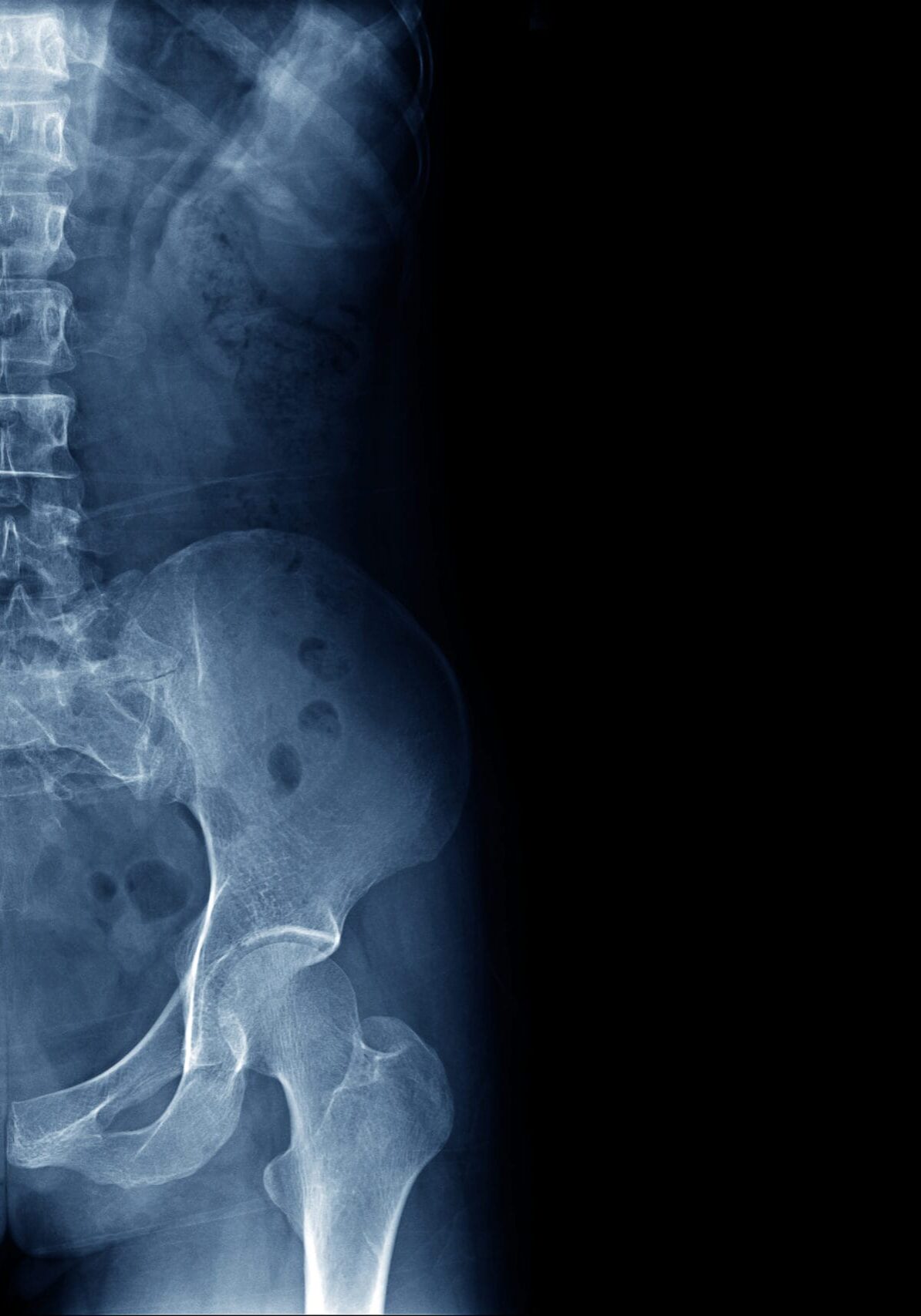
Your osteopath will undertake a thorough history and physical assessment to evaluate the cause of your pelvic pain in order to provide effective treatment and management strategies for long term resolution.
Osteopathic treatment for pelvic pain
Osteopathic treatment for pelvic pain is tailored to each individual presentation and addresses the underlying cause of pain to restore normal function, promote healing and provide long lasting relief. Your osteopath will use a variety of techniques during treatment, including soft tissue massage, joint mobilisation and articulation, and visceral manipulation. The pelvis is a complex area with many connections to organs, muscles, bones and ligaments - so your osteopath will consider all of these during treatment.
Lifestyle and management advice
Depending on the cause for pelvic pain, your osteopath will provide lifestyle and management advice to address your individual needs. Common habits and management strategies for pelvic pain include the following:
- Exercise - regular physical activity can bring blood flow to the pelvic region which in turn delivers oxygen and healing cells to the area, which can reduce pain, inflammation and restore proper function. Exercise is also a great way to decrease stress and improve mood, which can also impact pain levels. Low-impact activities that move the pelvis such as walking or swimming are great ways to move your body.
- Hydration - drinking 2 litres of water each day helps flush out toxins, which reduces inflammation and can reduce pelvic pain.
- Stress management- stress can have a significant impact on the pelvis due to the connections between organs, muscles and other tissues in the pelvic region. Stress can trigger inflammation, muscle tension, poor digestion and hormonal changes, so managing stress through mindfulness, relaxation and proper sleep and nutrition can alleviate pelvic pain.
- Heat - heat increases blood flow to the area, which relaxes muscles, brings more oxygen and repair cells to support healing and improves drainage of waste from the area. This can all assist in pain reduction and improved healing to the inflamed tissues.
- Posture - good posture through the spine and into the pelvis is important. Too much pressure through the pelvis from improper posture and weight loading can contribute to pain. Your osteopath will assess postural imbalances to ensure this is addressed in management.
Pelvic pain can be difficult to manage without proper support. Osteopathy is an effective treatment option for pelvic pain. Your osteopath will work with your individual needs to provide a comprehensive treatment and management plan that aligns with your health and wellness goals.
We use hands-on techniques and lifestyle advice to help people like you suffering pain, stiffness, illness and injury to reduce pain, move better and return to the things they love to do so they can live happier, healthier lives. For further information, please contact us on info@head2toehealth.com.
This information is intended as a general guide only and is not specific for any particular condition or situation. This information is for educational purposes only. Please seek specific advice for your individual circumstances.