For those weekend warriors out there who want to be able to get out of their chair the day after your game without feeling like you aged 20 years overnight, this one's for you. In this article, I share key techniques to help you prepare better for and recover faster from your game so you can get back to your full performance level sooner.
When we challenge our bodies by working out in a different way, playing a different sport or lifting heavier weights than we are used to we create micro-tears in the muscle, stimulating a healing response. The end result is that the muscle is built back up stronger. We call this an adaptation. The body is adapting to the stimulus so it is stronger and more resilient when next faced with the same load.
These changes in muscle are often referred to as DOMS. Delayed Onset Muscle Soreness is that feeling of pain and discomfort the day after your game or heavy gym or exercise session. Typically, these symptoms begin 12-24 hours after the exercise, peaking 1-3 days after exercise. Over the next few days, the soreness eases. The strategies listed below will reduce the soreness that ensues and also reduce the timeframe it is present so you can get back to full movement again.
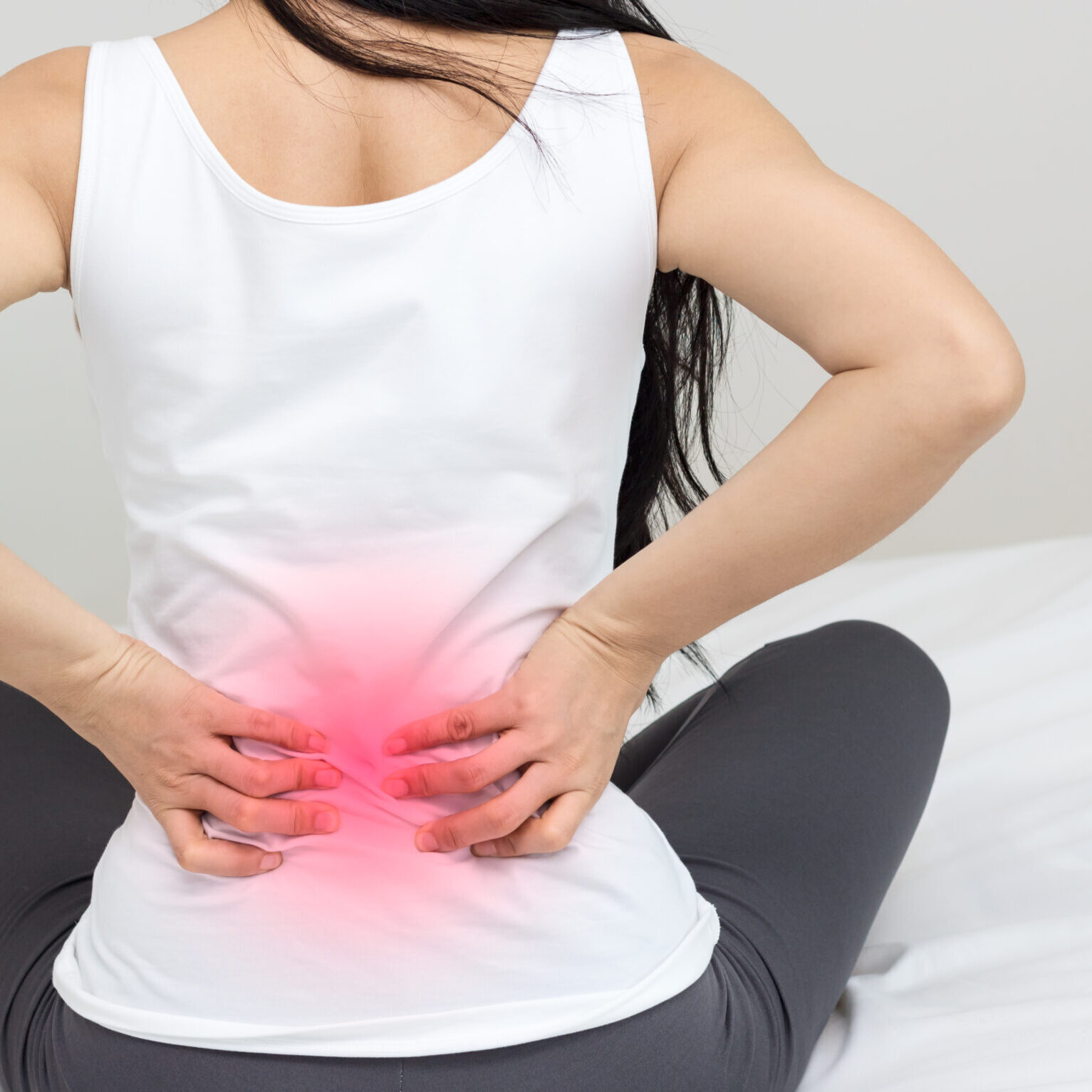
What Does DOMS Feel Like?
● Muscles are tender to touch ● Soreness with normal activities of daily living ● Muscle weakness ● Discomfort or pain with stretching ● Reduced range of motion with stretching and general movements
Preparation
How you prepare for an event has a significant effect on our recovery. Your recovery really does start days before, or arguably, months before an event. Being adequately prepared for a big game, race or workout is the key to improved recovery and reduced risk of injury.
This means following a training schedule that integrates a graded increase to the intensity of the game or event. In the days and weeks before, ensure proper nutrition, hydration and sleep duration and quality.
After The Game
Active cool down - take the time to follow a purposeful, activity specific cool down routine including running, cycling or walking. Then so some static stretching, holding each stretch for 60 seconds.
Hydrate - drink filtered, room temperature water before, during and after the exercise. Consume more water than you have lost through excretion, which can include sweat, breathing and urination.
Cold water immersion - this could be a cold shower, cold ocean or pool swim or an ice bath. Choose a temperature where you get in and you think “Oh this is really cold and I really want to get out…but I can stay in safely for a few minutes”. Stay in for 1-5 minutes where safe to do so.
Hot-Cold cycle - Alternate between an ice bath or cold shower with a hot shower. Spend 1 minute in hot and 1 minute in cold, cycled through 3 times.
Compression Clothing - Compression clothing can support recovery when used immediately after the exercise has ceased. If worn during the exercise they have been shown to reduce the risk of overuse and or overload injuries.
The Days After
Get moving - it is important to move your body, get those muscles contracting, get the joints lubricated and the tendons and ligaments working. A walk, jog, some light endurance work or even pool walking is a great way to get fluids moving in your body and clear the inflammation.
Stretching - Stretching after a workout or between sessions is a great way to promote your muscle, joint and fascial health and range of motion. Static stretches held for 2 minutes each will release the fascia, which is a key structure to support your recovery and improve your movement. Keep intensity below 7/10.
Rolling & Trigger Point Release - using a tennis ball, lacrosse ball, soccer ball or roller are great ways to hydrate fascia and muscle and improve blood flow to the tissues. Fresh blood into an area brings in oxygen, nutrients and reparative cells to heal the area. Again, keep intensity below 7/10 to avoid irritating the nervous system.
Massage - This can include massage from a practitioner, self massage or rolling. Use discomfort as a pressure indicator and don’t push beyond 7/10 or you risk irritating the nervous system, creating protective tone in the muscle where they actually end up tighter. Massage for recovery is best done 48 hours after the game or workout.
Magnesium Cream or Oil - These are great placed directly on the skin in areas that are tight, sore or where there is history of injury. This is a great way to get magnesium into the body for those who have poor digestion and absorption.
Magnesium Bath - Adding magnesium salt (Magnesium chloride) or epsom salt (magnesium sulphate) to a warm bath is a great way to get magnesium into the body that bypasses the gut. Add ½ to 1 cup of salt to a warm bath and soak for at least 30 minutes.
Magnesium Powder or Tablets - A common dose for the average Aussie on a reasonable diet who exercises a few times per week with moderate stress levels is a 300mg dose taken twice per day to total 600mg/day. The best form of magnesium is bisglycinate, followed by glycine and then citrate.
Anti-inflammatory Creams - There are many different types of creams out there. The top 3 we recommend in the clinic for strains, sprains, bruises and muscle soreness and localised inflammation are:
- Traumeels
- Fisiocrem
- DoTerra Ice Blue
Medicated anti-inflammatory creams like Nurofen or Voltaren can help to dampen the inflammatory response however they also block the resolution phase of inflammation, leaving the injured area in a holding pattern, unable to fully resolve. The more natural anti-inflammatory creams, however, do not block the resolution phase of healing and support the body to complete its full natural healing process.
Kinesiology Tape - Helps to increase blood flow to the tissue and toxins away, supports proprioception (the brain’s awareness of where the body is in space) and supports muscle contraction to reduce strain on an area.
Sleep - During good quality, restful sleep is when our bodies really recover. It’s when our body goes to work to repair damaged tissue, grow stronger and more resilient tissue and restore balance to our system. Good sleep is key to recover from any physical exercise or exertion. You can read more about sleep here.
Stress Management - The body recovers best when the parasympathetic side (rest, relax, digest) of the nervous system is dominant over the sympathetic side (fight, flight). Use activities like mindfulness meditation, being in nature, specific breathing techniques (usually involving a long, slow exhalation) and good sleep.
Our recovery, just like our performance, depends on so many factors, some of those out of our direct control. If you have a period of stress or poor sleep or nutrition for example, your recovery will likely be affected. Be kind and compassionate and make wise decisions about how you are going to best serve your body to be able to perform at your best.
Using one or multiple of these suggestions can help you to go from stiff and sore for days after a game to returning to comfortable movement and training faster, with better performance and with less chance of injury. Choose the strategies that are practical to integrate into your pre and post game routine and monitor your body’s response. We can do all the studies on all the people in the world, but the only way to really know how your individual body will respond is to try out different strategies and see what improves your recovery.
We use hands-on techniques and lifestyle advice to help people like you suffering pain, stiffness, illness and injury to reduce pain, move better and return to the things they love to do so they can live happier, healthier lives. For further information, please contact us on info@head2toehealth.com.
This information is intended as a general guide only and is not specific for any particular condition or situation. This information is for educational purposes only. Please seek specific advice for your individual circumstances.